How can European values, sustainability and innovative teaching approaches become part of everyday educational practice?
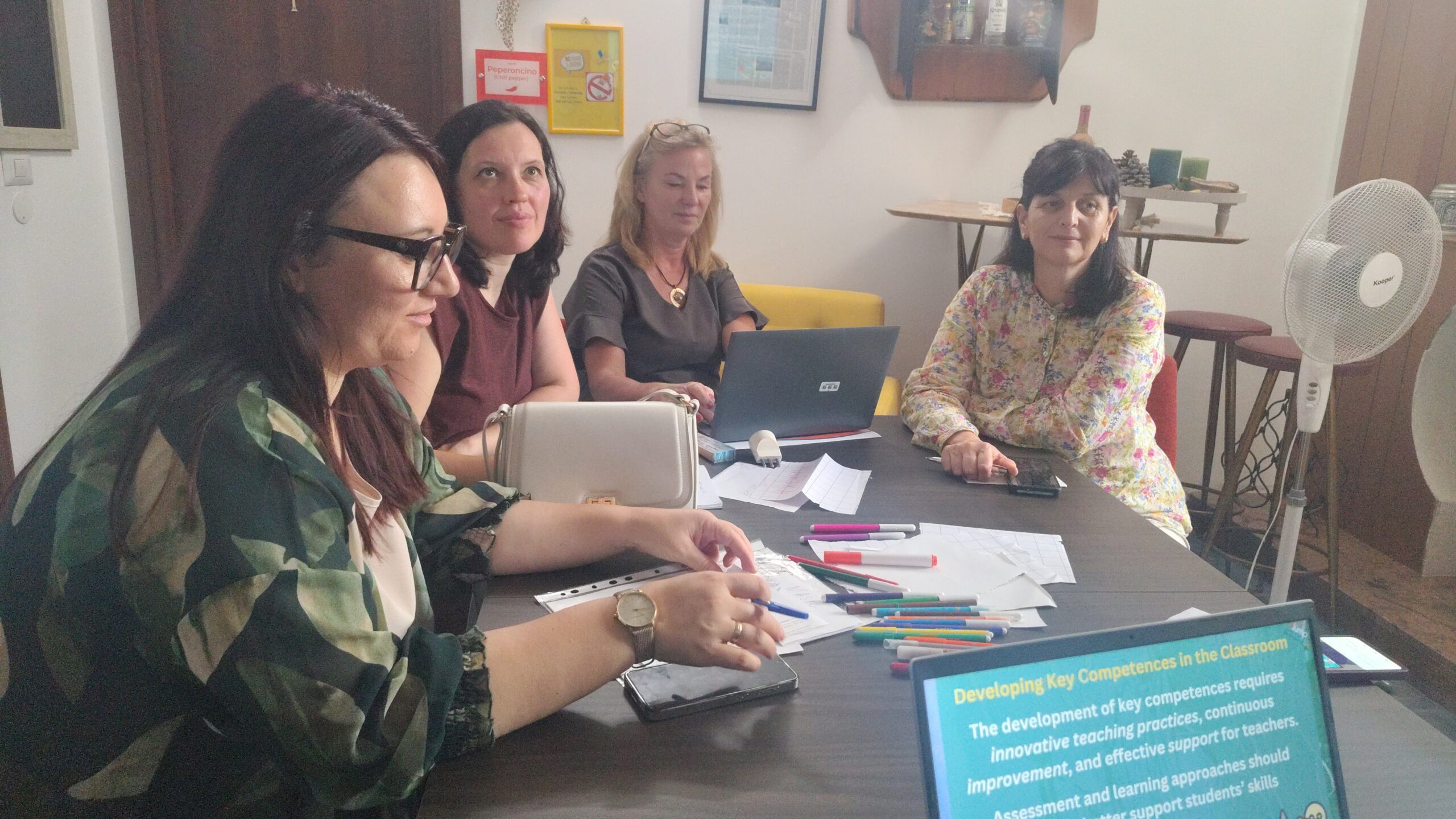
This was the starting point of an inspiring training week with two educators from Latvia—a school principal and an Erasmus coordinator working in a primary school with special education—and three kindergarten teachers from Bulgaria, bringing together different experiences, educational contexts and perspectives around a shared goal: making sustainability meaningful through education.
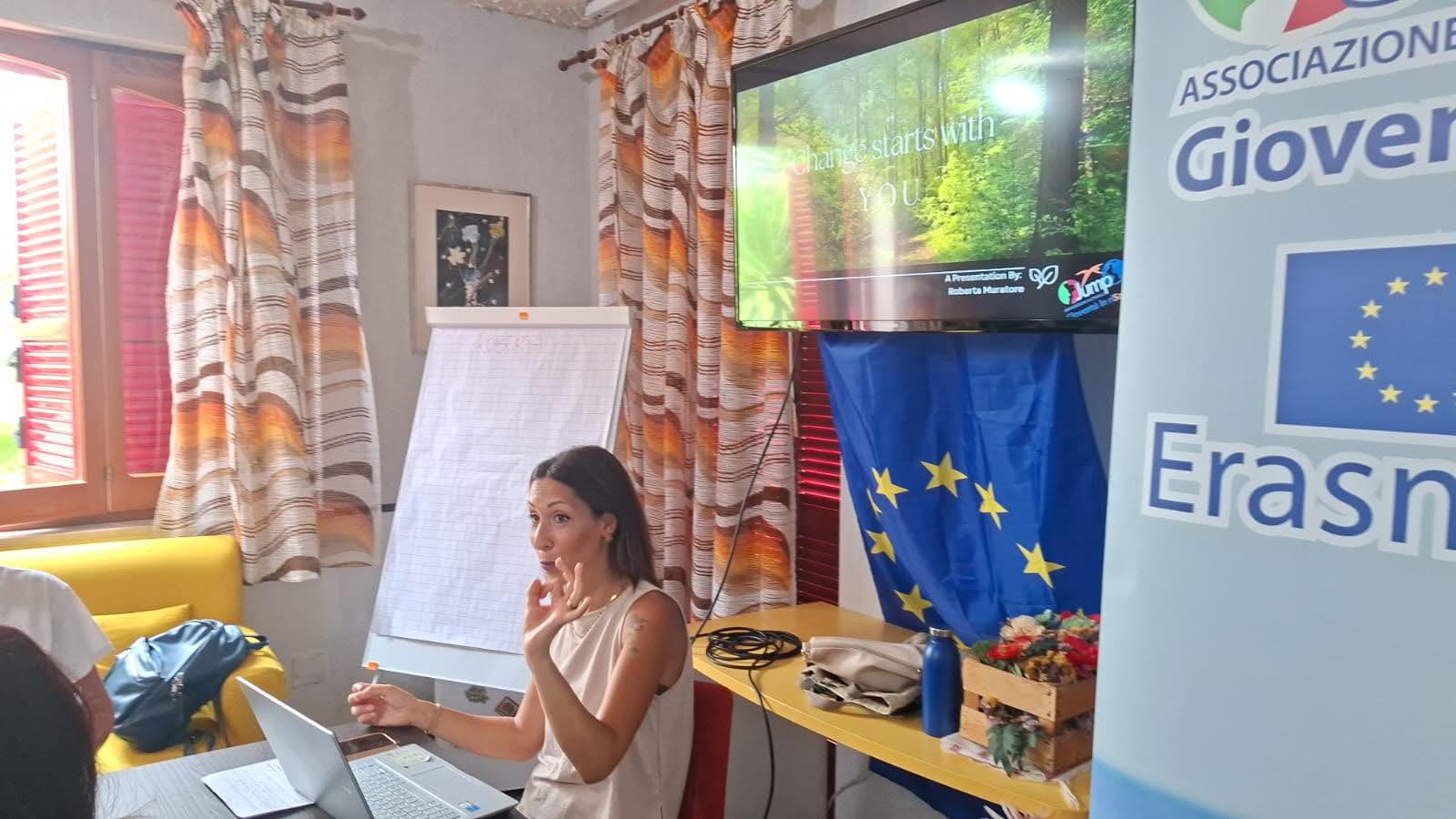
The week opened with a reflection on the role of the European Union in education today and the European Commission’s priorities for 2024–2029. Democracy, equality, respect for human rights, solidarity and responsibility were explored not simply as European values, but as principles that can be transformed into everyday actions within schools. We also discovered the EU Learning Corner, a valuable collection of educational resources supporting children and educators in exploring European citizenship, sustainability and active participation.
From this European perspective, we moved into the Eco-Schools Programme, exploring its themes and seven-step methodology and looking at its connection with the Common Framework and the Early Years approach. The programme provided a concrete example of how sustainability can move beyond awareness and become a shared process involving the whole school community.
The connection with STEM and STEAM education then offered another perspective: how can children learn about sustainability while developing creativity, curiosity and problem-solving skills? Rather than starting from theory, we experienced this through a simple challenge: moving water from one container to another while wasting as little as possible. With only a few everyday objects, participants had to question, imagine, create, test and improve. In just two minutes, a simple game became an authentic STEAM experience, showing how creativity, science, teamwork and experimentation can work together.
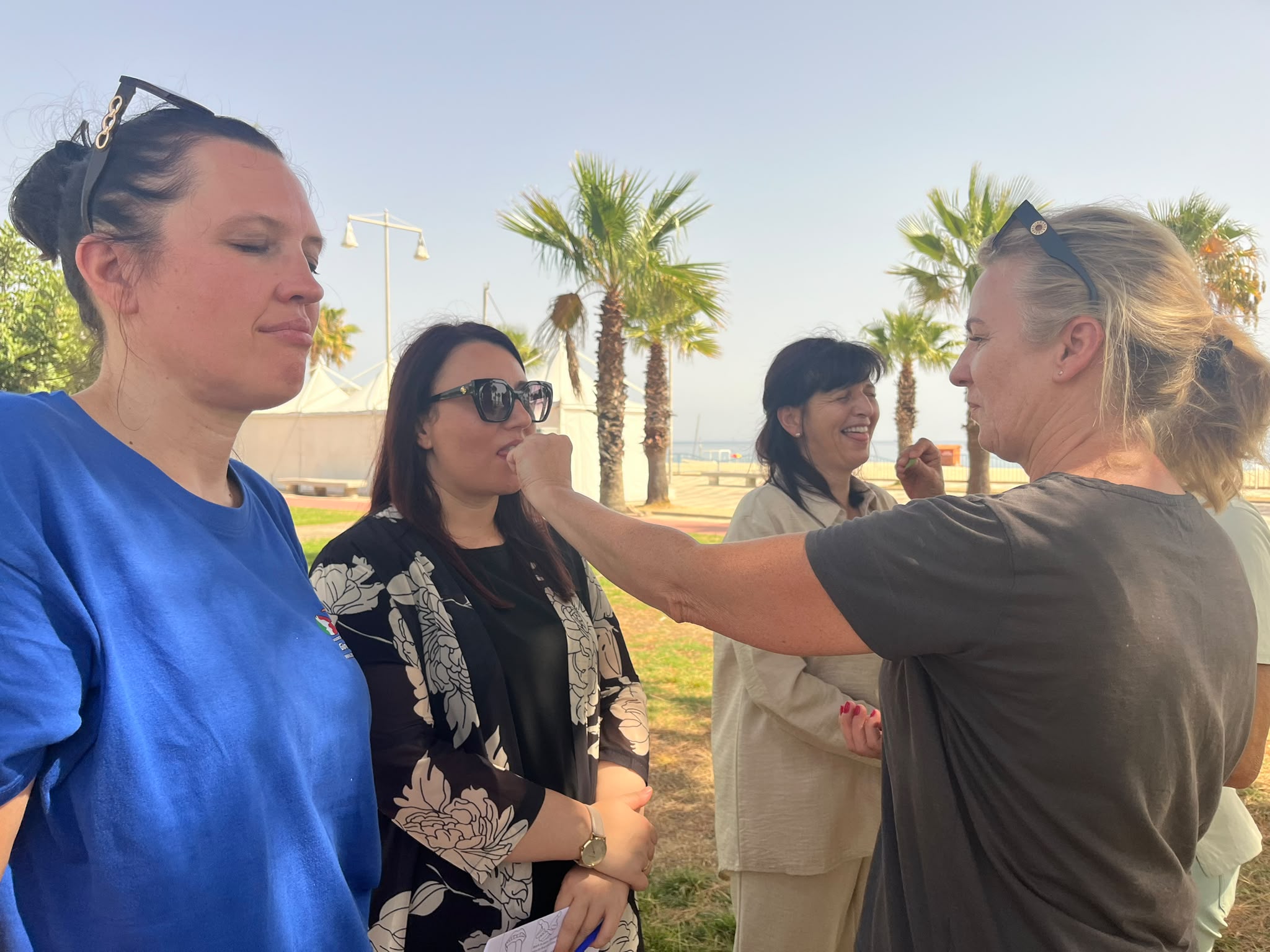
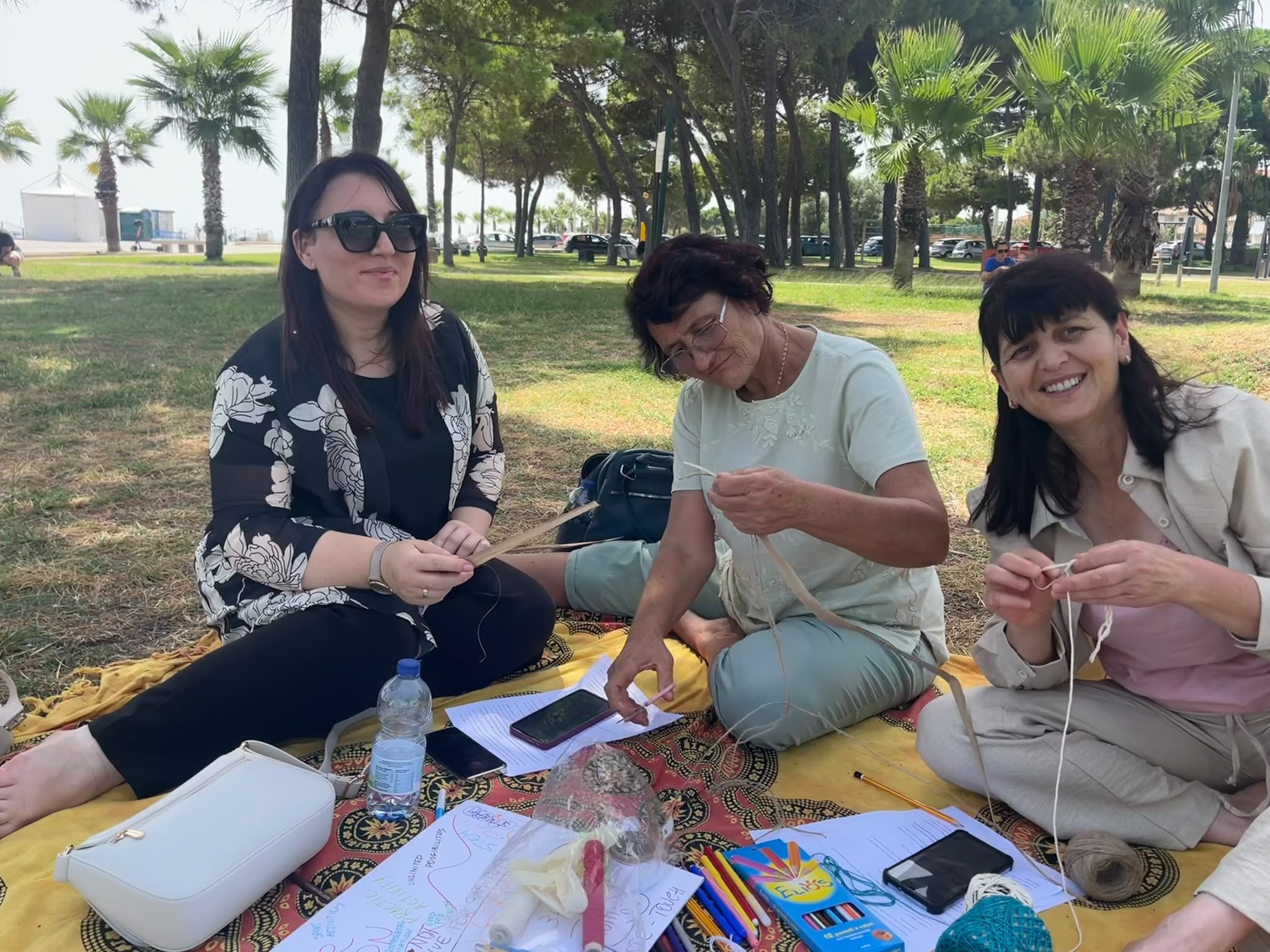
The following days were dedicated to putting these principles into practice. Through Outdoor Education, participants explored nature using their senses, discovering how direct experience can develop observation, creativity and personal and social competencies. The creation of a nature-inspired dreamcatcher then became another opportunity to experiment, create and express personal meanings. Seeing educators rediscover their own creativity and manual skills was a beautiful reminder that meaningful learning does not always require complex materials—it often begins with curiosity, imagination and the willingness to try.
We also explored how an inductive approach can replace simple memorisation. Through questions, drawings, flashcards, active games and even a simple cotton thread, participants gradually discovered the meaning and etymology of ecology, ecosystem and economy. The same philosophy was applied to the 17 Sustainable Development Goals, transformed into small missions that can be adapted to both primary school and kindergarten and gradually become part of a wider sustainability journey.
The Super Eco-Hero activity brought together creativity, recycling and circular economy, transforming participants from Eco-Detectives into creators of characters capable of engaging
children with sustainability. Music also became a powerful educational tool through the exploration of What a Wonderful World, demonstrating how the Arts can connect language learning with environmental awareness, emotions, cultural understanding and citizenship.
The week concluded with an Assessment Action Plan, allowing participants to revisit the concepts and experiences explored and consider how they could transfer them into their own educational contexts.
Yet, beyond the methodologies and activities, the most valuable part of the experience was the opportunity to learn across cultures and borders. Working with teachers, school leaders and Erasmus coordinators from different European countries means discovering different educational systems, approaches and traditions, but also recognising how much we share.
Different languages did not prevent connection.
Different cultures did not prevent collaboration.
We started the week by talking about European values. We ended by experiencing them through cooperation, respect, creativity, responsibility and solidarity.
Because education becomes truly meaningful when values are not only explained, but lived—and when ideas become action.
Author: Roberta Muratore, JUMP Trainer